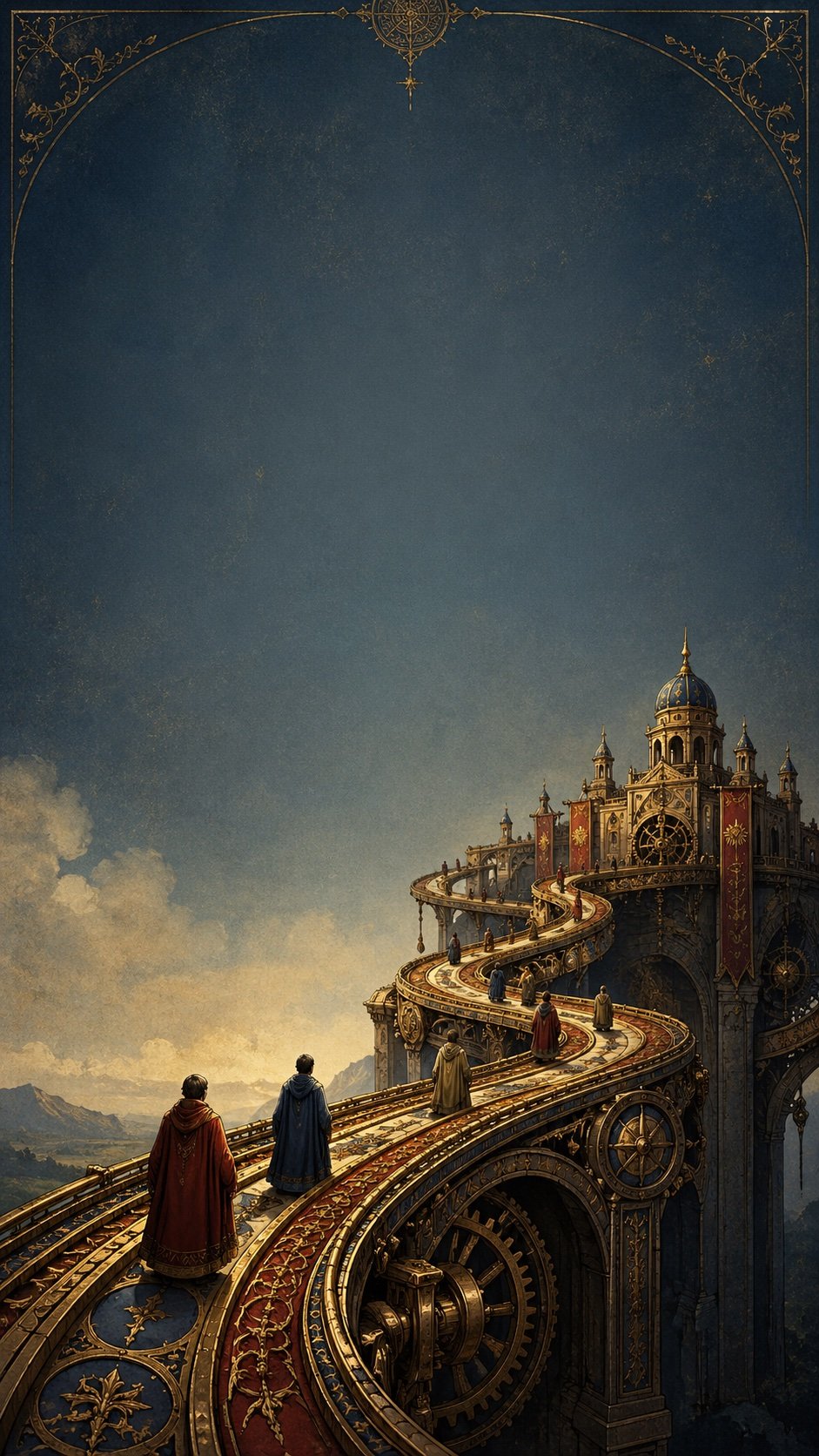

Flow — losing track of hours in a task — is not luck. It arrives reliably when the challenge sits just above your current skill, the goal is clear, and feedback is immediate. Miss those and it does not come.
Flow
Why it matters
The idea in context
Mihaly Csikszentmihalyi interviewed climbers, surgeons, composers and chess players and found them describing the same state in almost identical words: absorbed, effortless, unselfconscious, unaware of time. His key finding was the balance point. Too easy and attention wanders into boredom; too hard and it collapses into anxiety. The narrow band between them is where flow lives, which is why it moves as you improve — what absorbed you last year will bore you next year unless the difficulty rises with you.
Türkçe
Aynı kart, başka bir dilde.
Akış — bir işte saatlerin nasıl geçtiğini fark etmemek — şans değildir. Zorluk mevcut becerinizin hemen üzerindeyken, hedef netken ve geri bildirim anındayken güvenilir biçimde gelir. Bunlar eksikse gelmez.Akış
Mihaly Csikszentmihalyi dağcılarla, cerrahlarla, bestecilerle ve satranç oyuncularıyla görüştü ve hepsinin aynı hâli neredeyse aynı sözcüklerle anlattığını buldu: Dalmış, zahmetsiz, kendinin bilincinde olmayan, zamandan habersiz. Asıl bulgusu denge noktasıydı. Çok kolaysa dikkat can sıkıntısına dağılır; çok zorsa kaygıya çöker. Aralarındaki dar bant akışın yaşadığı yerdir; bu yüzden siz geliştikçe yer değiştirir — geçen yıl sizi içine çeken şey, zorluk sizinle birlikte yükselmezse gelecek yıl sizi sıkacaktır.
Source trail