The Svalbard Global Seed Vault stores duplicate seed samples at -18°C, an insurance policy for crop diversity and future food security.
Opened in 2008
Why it matters
The idea in context
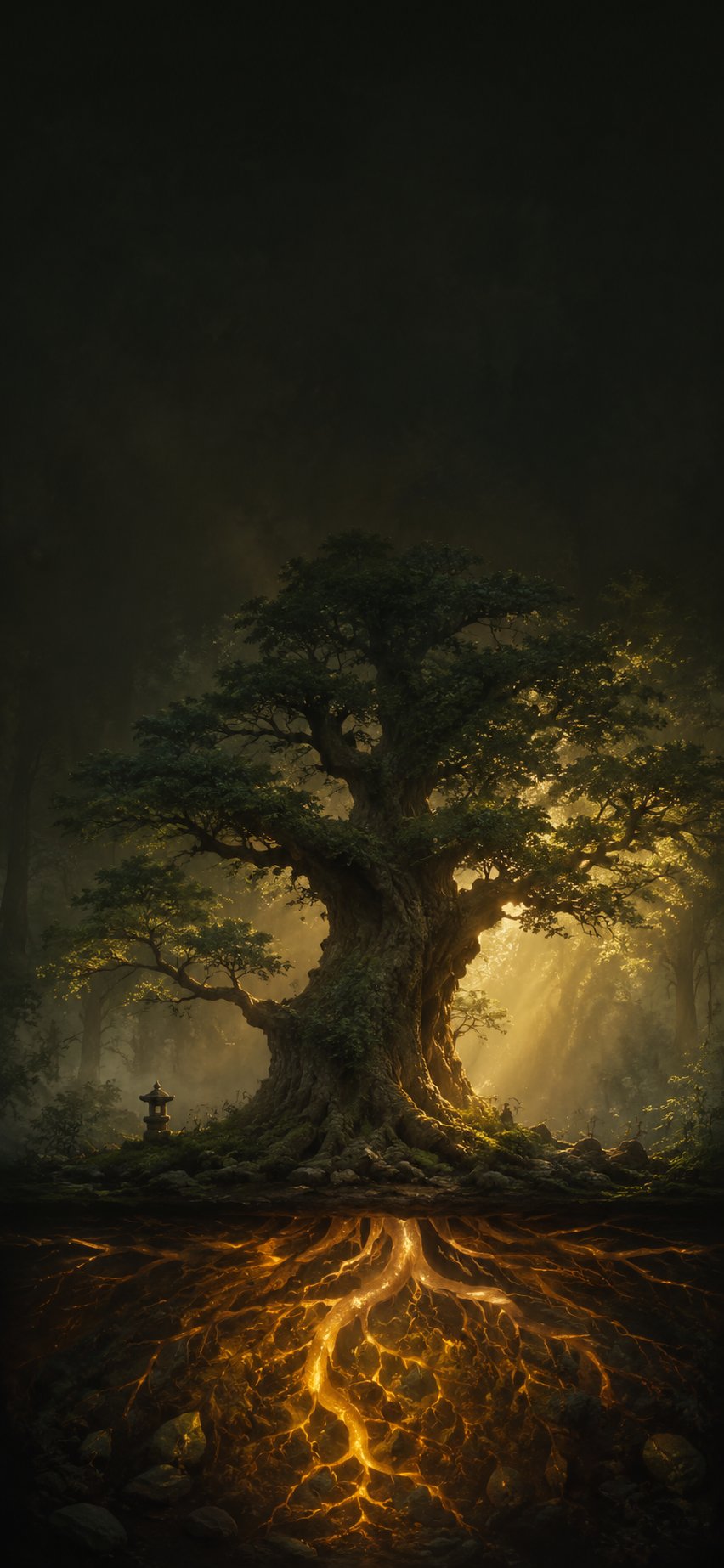
The vault does not replace living farms or working seed banks. It backs them up. Boxes arrive under black-box conditions, owned by the depositors, and are stored deep inside rock above Longyearbyen. The quiet drama is that crop diversity is memory too: drought tolerance, disease resistance, local taste, old adaptation. A seed in a mountain is a promise that not every future has to start from scratch.
Türkçe
Aynı kart, başka bir dilde.
Svalbard Küresel Tohum Deposu, tohum örneklerinin yedek kopyalarını -18°C’de saklar; ürün çeşitliliği ve geleceğin gıda güvenliği için bir sigorta poliçesi gibi çalışır.2008’de açıldı
Depo yaşayan tarlaların ya da çalışan tohum bankalarının yerine geçmez. Onları yedekler. Kutular, sahipliği gönderende kalacak biçimde, kara kutu sistemiyle gelir ve Longyearbyen üzerindeki kayanın derininde saklanır. Sessiz dram şudur: Ürün çeşitliliği de bellektir; kuraklığa dayanıklılık, hastalık direnci, yerel tat, eski uyum. Dağın içindeki bir tohum, her geleceğin sıfırdan başlamak zorunda olmadığına dair bir sözdür.
Source trail