
Why it matters
The idea in context
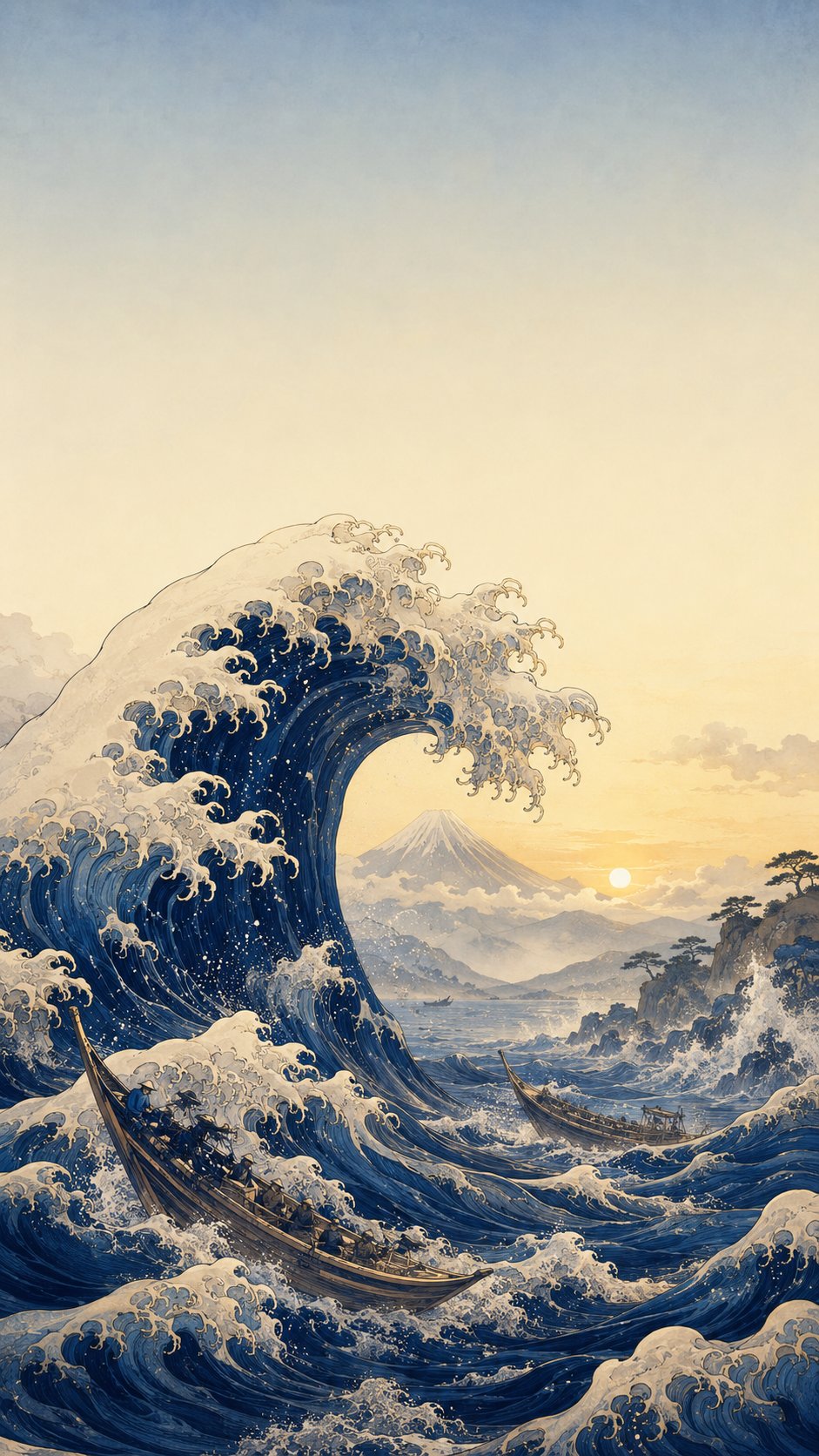
Before synthetic pigments, deep ultramarine depended on rare lapis lazuli and long trade routes. Its cost meant blue could signal status, devotion and patron wealth, not just colour preference. This matters globally because materials shape style as much as imagination does. The lesson: beauty often has a supply chain.
Türkçe
Aynı kart, başka bir dilde.
Lapis lazuli taşından öğütülen ultramarin mavisi bir zamanlar o kadar pahalıydı ki sanatçılar onu resmin en değerli bölümleri için bilinçli kullanırdı.
Sentetik pigmentlerden önce derin ultramarin nadir lapis lazuliye ve uzun ticaret yollarına bağlıydı. Maliyeti, mavinin yalnızca renk tercihi değil; statü, bağlılık ve hami zenginliği göstergesi olabileceği anlamına geliyordu. Malzemeler hayal gücü kadar üslubu da şekillendirir. Güzelliğin çoğu zaman bir tedarik zinciri vardır.
Source trail
Read beyond the card.
Pigment history.
Background reading: UltramarineAttribution and context are revised when stronger evidence appears. Corrections are welcome through the editorial page.